
The Importance of Sports Camps: Why Pre-Season and Mid-Season Camps Shape Success
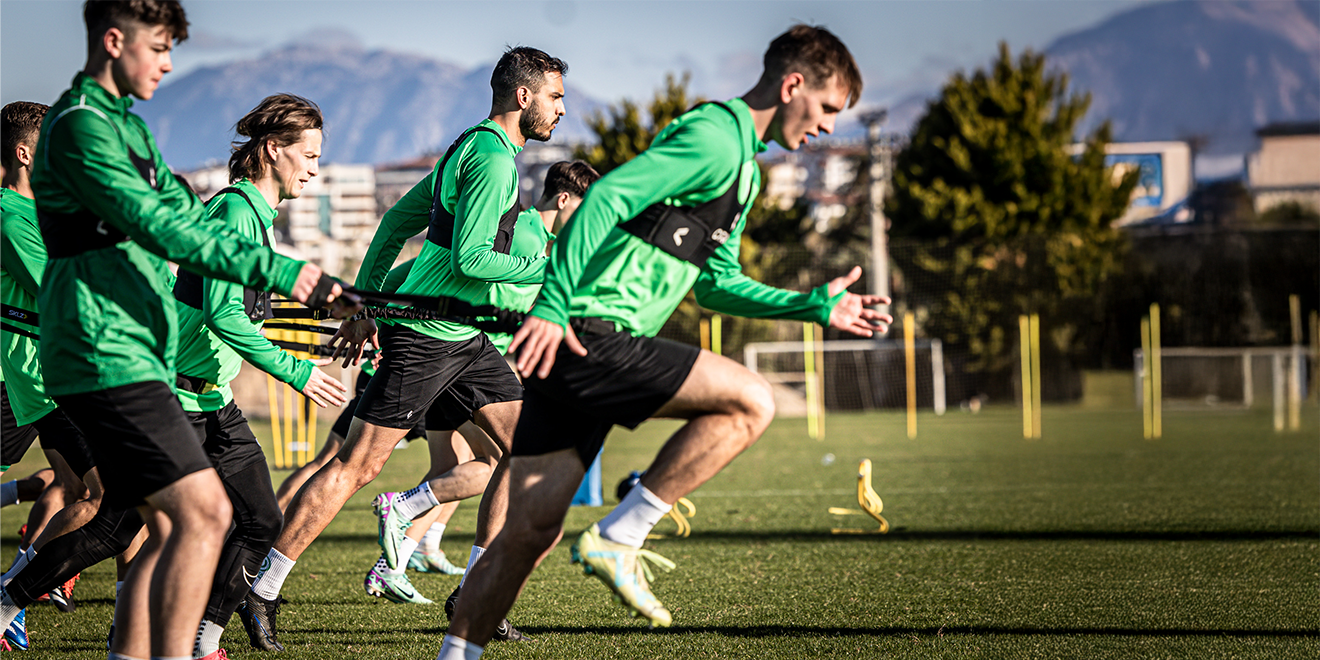
In competitive sport, talent is only the starting point. The real difference is created by consistent work, smarter planning, and the ability to show up prepared when the season begins. That is why sports camps are not a luxury for serious teams.
They are a structured performance tool that protects player condition, builds tactical discipline, and improves the team’s ability to compete under pressure.
A well-designed football training camp is not simply a change of scenery. It is a controlled environment where a club can reset its physical base, refine its game philosophy, and rebuild focus. Whether it is a pre-season camp, a mid-season camp, or a winter training camp, the purpose is the same: to create a performance roadmap and prepare the team to deliver it.
What “camping” means in modern sport
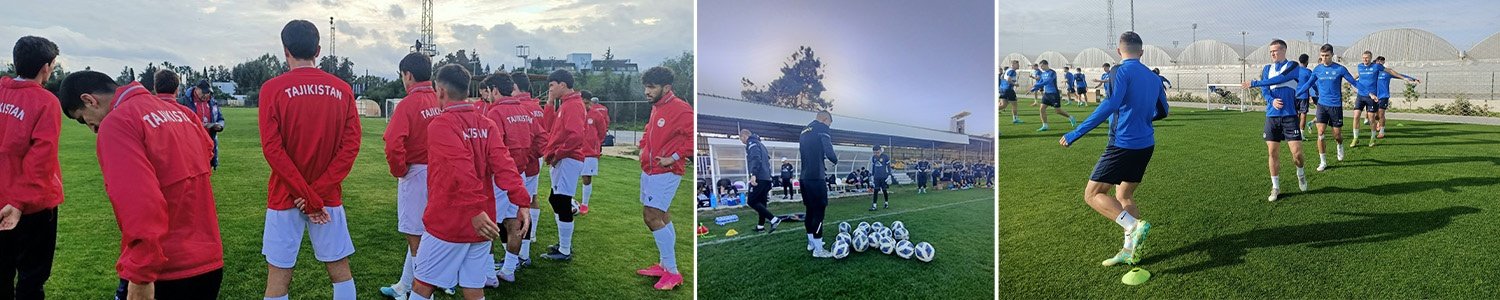
When coaches and sporting directors talk about “camp,” they are referring to a concentrated training period where daily routines are optimized for performance. Training intensity, recovery, nutrition, video analysis, team meetings, and friendly matches are planned as a single system. The goal is not only to “work harder,” but to work in a way that makes the season more sustainable.
This is where camps become a key part of sports performance planning. A season is long, competitive, and mentally demanding. If the base work is missing, teams often spend months trying to catch up, and the price is paid through injuries, poor form, and inconsistent results. Camps reduce that risk by creating a structured start and a structured reset.
Why pre-season camps matter so much
A pre-season camp is where the team builds the foundation that supports every match that follows. It is not only about fitness. It is also about clarity.
During this period, clubs typically focus on:
- Physical condition storage so players can handle match demands
- Tactical preparation, including defensive and offensive strategies
- Team alignment, where roles and relationships are clarified
- Mental regeneration, especially after travel, pressure, or a long season
- Deficiency detection, identifying what the squad lacks before the schedule punishes it
When a team enters the season without this foundation, even a talented group can look confused. When a team enters the season with a clear base and a shared understanding, performance becomes more stable and confidence rises.
Timing and location: the hidden advantage of a good camp plan
Camps are typically organized in three major periods: pre-season, tournament periods, and between seasons. The exact timing often depends on each federation’s calendar and the match schedule. Some sports require a shorter preparation period, while others may need months of gradual development.
Location selection matters because climate and environment directly affect training quality. That is why many clubs prefer cool, high-altitude regions in summer, while choosing milder climates for winter camps. In Turkey, summer camps often take place in highland regions known for suitable humidity, temperature, and oxygen conditions. In winter, clubs often prioritize locations that reduce the impact of heavy rain and strong winds.
Antalya as a training hub: climate, logistics, and match opportunities
In the winter period especially, many clubs look toward the Mediterranean region, and Antalya training camp planning has become a familiar approach for both local and foreign teams. Areas such as Belek football camp zones and Manavgat are frequently preferred because they combine mild conditions with strong tourism infrastructure.
From a performance perspective, the advantage is straightforward: training continuity improves when weather is stable, transportation is easy, and facilities can support multiple daily sessions. From a team-management perspective, it is also easier to organize friendly matches and short tournaments when many teams are camped in the same region during similar dates.
This is also why international clubs from colder regions sometimes extend their camp window into late winter or early spring when conditions at home are still limiting.

Transfers and team chemistry: camps only work if timing is right
One of the most overlooked elements of camp success is squad timing. If new transfers join late, the camp becomes less effective. A player can improve fitness quickly, but team chemistry and tactical habits require repetition with teammates.
When transfers are completed early, the camp becomes a learning accelerator. New players integrate faster, understand the tactical expectations sooner, and reduce confusion during the opening weeks of the season. This is a major reason why many clubs treat early recruitment as part of their camp strategy, not a separate business decision.
The real size of a camp operation: it’s bigger than people think
Professional camps are not only for players and coaches. Club staff typically includes technical staff, management, medical and health teams, kit staff, masseurs, and operational support. Depending on the level of the club and the objectives of the camp, total camp personnel can reach several dozen people, and sometimes more during major tournaments or media-heavy periods.
Media presence also changes the environment. High-profile clubs often attract local and international coverage, which adds another layer of planning: privacy, training access rules, and schedule control.
Sponsors, tournaments, and the business side of camps
Camps are increasingly connected to commercial planning. Some clubs reduce their costs through sponsorship support, while others join organized tournaments during camp periods to generate income through broadcasting and prize structures.
This does not reduce the sporting value. In many cases, it increases it. Organized match schedules help technical staffs test systems under real pressure, rotate squads intelligently, and measure performance trends without risking league points. In other words, tournaments can be both a financial strategy and a performance strategy, as long as match load is planned responsibly.
What quality accommodation really means for performance
The phrase “quality accommodation” sounds like comfort, but in elite sport it means recovery infrastructure. Training only creates progress when the body can adapt, and adaptation requires sleep, nutrition, hydration, and mental downshift.
That is why the best camps prioritize facilities that support:
- Recovery and regeneration, such as sauna and Turkish bath options
- Nutrition planning, including athlete-friendly menus and clean food standards
- Relaxation and social spaces, because morale influences performance
- Short distances between hotel and pitch, reducing travel stress and risk
A camp that trains hard but recovers poorly often produces the wrong outcome: fatigue, injury risk, and a squad that starts the season heavy rather than sharp.
High altitude training: why some teams chase elevation
Many coaches value high-altitude training because it can influence endurance-related adaptations. At higher elevation, the body works under reduced oxygen availability, which can push the respiratory system and support certain physiological improvements over time.
However, altitude is not a magic solution. It is a tool that must fit the team’s periodization plan. The smarter approach is to understand what the squad needs: adaptation, endurance base, or speed and sharpness. When altitude fits the objective, it can be a useful advantage. When it does not, it can create unnecessary fatigue.
Weather details that decide whether training quality stays high
Teams often underestimate how much weather affects training freedom. Strong winds can reduce the quality of tactical sessions and technical repetition. Excessive rain can damage pitch conditions and increase injury risk. Extreme heat reduces intensity and changes the focus from performance to survival.
This is why climate analysis becomes part of camp planning. It is not only about choosing a “nice” destination. It is about choosing a place where the planned sessions can happen consistently, and where the pitch quality, lighting, and drainage systems support professional standards.

Camp structure: building from general capacity to match-specific sharpness
Most preparation periods are designed in phases. The early phase is usually about general working capacity: improving the athlete’s ability to tolerate training loads and adapt to stress. This stage strengthens weaknesses and creates the conditioning base that supports harder work later.
The second phase becomes more specific: intensity rises, match-related demands increase, and the training moves step by step from general preparation to special preparation. That progression matters because the season punishes extremes. If camp loads are excessive, players may start the season tired or injured. If loads are too light, teams often begin slowly and spend weeks chasing rhythm.
Why some teams start seasons badly: the camp load problem
Almost every league season shows the same pattern: some teams start flat and can’t win for weeks, while others begin poorly and then suddenly accelerate. These swings are often connected to camp planning decisions, especially training load dosage and recovery quality.
That is why professional clubs rely on performance measurements, medical input, and experienced technical planning rather than guesswork. The goal is not to “suffer more.” The goal is to enter the season in a state where intensity can rise without breaking the squad.
The need for more camp centers and better organization
When too many teams are forced into the same limited number of camp centers, problems appear: lack of privacy, scheduling conflicts, shared facilities, and weaker control over training environments. Expanding the number of high-quality camp destinations helps solve these operational bottlenecks and improves the overall standard of preparation.
At the club level, one practical recommendation stands out: working with experienced organizers who can secure the right facilities, plan match calendars, and arrange strong opponents for preparation games. Camp success is not accidental. It is planned, negotiated, and executed like a project.
A final thought: the “perfect camp” is injury-free, focused, and connected
The best camp periods are not the ones that look the hardest on paper. They are the ones where the team improves without injury, where new players integrate smoothly, where tactical identity becomes clear, and where the squad finishes camp feeling united rather than drained.
When sports camps are planned with the right balance of training, recovery, and match practice, they become a competitive advantage that lasts long beyond the camp dates.
Organize your training camp with Sports City Antalya today!