



Turkey Winter Football Camp in Antalya: Football Tourism, Belek & Side, and 2026 Team Arrivals
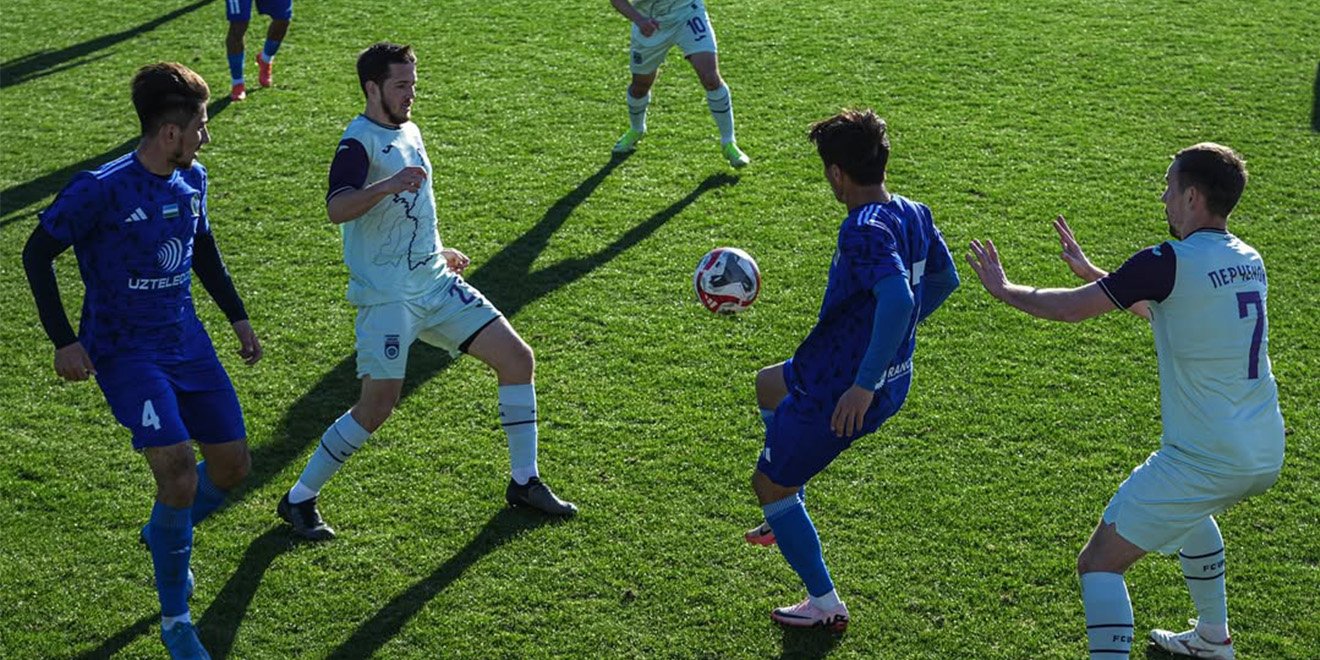
The 21st century has brought a new level of economic importance to two sectors that now shape global movement and demand: tourism and football.
Turkey Winter Football Camp in Antalya: Football Tourism, Performance
As tourism creates opportunities for individuals and groups, it also creates destinations that football clubs actively seek—especially for winter football camps in Antalya, where climate, infrastructure, and service quality support professional preparation.
Tourism and Football: Two Industries That Strengthen Each Other
In recent years, discussions often focus on one question: does tourism affect football, or does football affect tourism? The reality is that these industries have a mediated effect on each other. Tourism advertisements appear in sports events, tourism businesses sponsor national and international clubs, and large sporting activities generate demand for transportation, accommodation, food & beverage, entertainment, recreation, and additional tourism services.
For clubs planning a winter training period, the destination becomes part of the performance plan. This is why Antalya continues to be positioned as a key hub for sport tourism—a place where preparation camps naturally connect with high-capacity tourism operations.
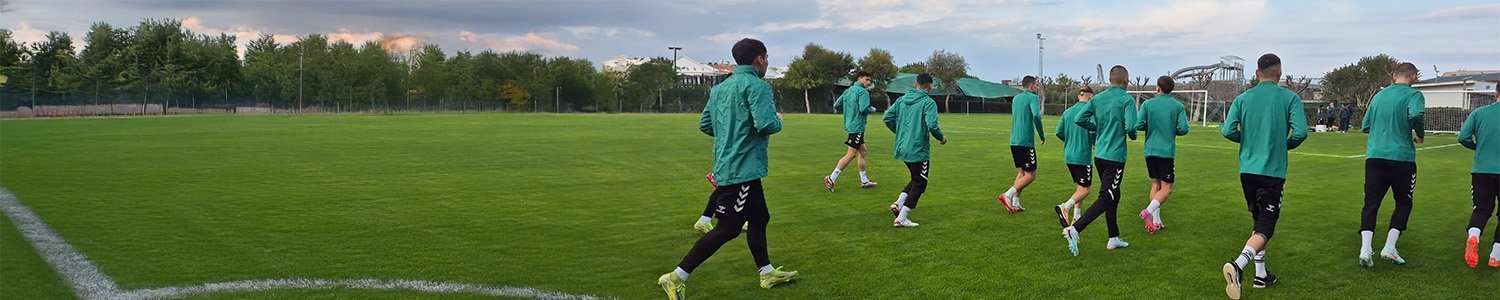
Football Tourism: A Practical Concept With Economic and Social Impact
Football tourism is more than travel for sport. It is a phenomenon that creates economic and social outcomes through national and international participation, league involvement, pre-season games, match periods, and structured pre-season camps and preparation workouts. These activities make full use of sports facilities together with tourism services, including accommodation, transportation, food and drinks, and recreation.
Football tourism also shows how group consumption can lead to individual consumption: when teams travel, they bring staff, media, and often fans—creating wider demand. Football is not only a game; it contributes to social development in areas such as education and health, reinforces national honor and solidarity, and provides valuable economic contributions as a tourism product.
This demand is different from other tourism types, because it can depend on team identity, player characteristics, and the presence of spectators. Since the 1970s, when television entered daily life, football has evolved into a sector with global revenue streams from spectators, broadcasting, transportation, accommodation, hospitality, entertainment, advertising, and sponsorship.
The Two Main Forms of Football Tourism
Football tourism generally appears in two forms:
- Federation-led tournaments (club and national team competitions organized by international football federations, plus league and cup organizations created by national federations). Teams typically cannot freely select cities or directly choose these destinations.
- Team-selected camps and preparation periods connected to official competitions. In this form, clubs can directly choose their camp location and preparation workout place, and can plan friendly matches that support readiness during pre-season, tournament periods, and between seasons.
Tournament preparation is tied to match calendars where each game is held in a different city. Meanwhile, pre-season and season-to-season camps depend on federation match programs and can vary by country. In many cases, summer camps prioritize cooler plateau regions, while winter camps require mild weather, appropriate humidity, and fewer disruptive rain and wind conditions.
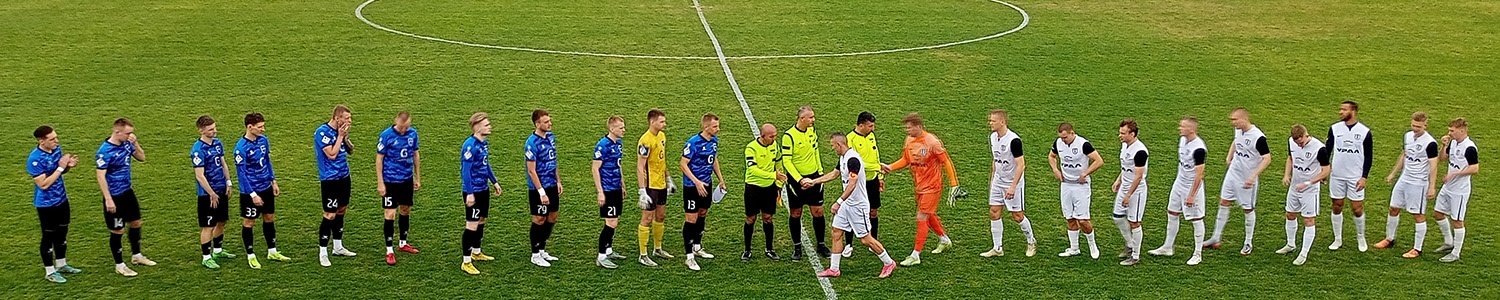
Why Antalya Works for Winter Camps
In Turkey, several winter-tourism-oriented destinations create attractiveness for training camps due to accommodation facilities and suitable climate conditions. However, for winter preparation camps, the need becomes more specific: clubs require mild temperatures, balanced humidity, and stable conditions.
This is where Antalya stands out as one of the world’s important tourism centers—alongside destinations such as Fethiye, Bodrum, Marmaris, Kuşadası, and Çeşme—because it can host many local and foreign teams during the winter season. The Mediterranean and Aegean regions attract football organizations, especially when tournaments and matches are scheduled in winter, supported by strong transportation access, high-quality hotels, and an abundance of training and match fields.
Importantly, football tourism supports the year-round spread of tourism. When well-known local and foreign teams train or play matches in a destination, the area, city, and accommodation facilities gain broader visibility. This visibility can influence future tourism demand beyond the sports period.
Team Size, Media Presence, and the Wider Impact on Tourism
A football team’s camp staff typically consists of 30 to 50 people including players, technical committee, medical staff, equipment providers, and support personnel. In some cases, clubs travel with fan groups and the convoy can reach 300 people. Local, national, and international press also contribute to activity levels.
Fans may travel independently or through tour firms, and many media members follow teams during camps and friendly matches. When these matches are broadcast, they create indirect promotion for the destination and the accommodation facilities. During tourism low season—when employment pressure increases—football tourism can help support jobs by keeping facilities active.
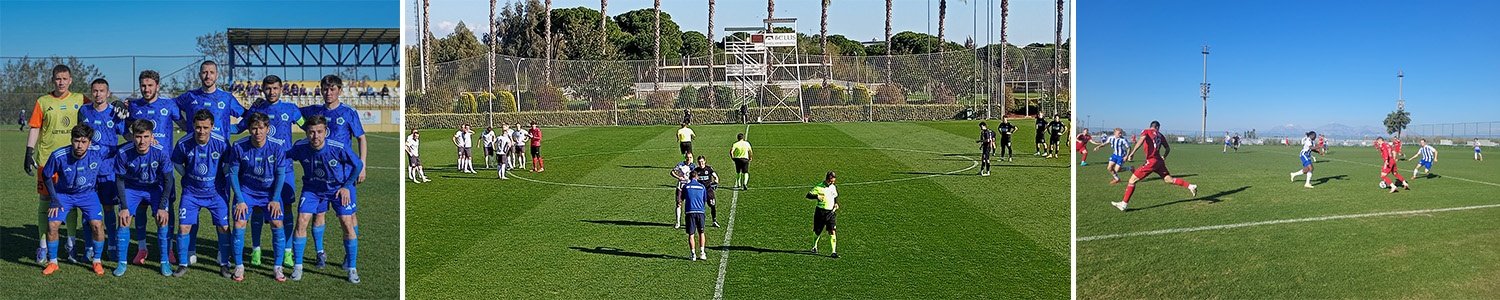
What Clubs Need Beyond Climate: Fields, Safety, Rehab, and Logistics
Weather conditions are an important factor influencing camp selection, but climate alone is not enough. Clubs also need an adequate amount of high-quality accommodation and the right equipment for player comfort, recovery, and social activities.
A common inconvenience is that more than one team may use the same hotel facility. If there are insufficient equipment and materials during rest periods, the overall camp experience can suffer. For successful preparation, clubs also prioritize:
- Quality of the training ground and grass
- Rehabilitation and fitness units
- Enough lighting for safe training
- Short distance between accommodation and training fields
- Safe spectator control and the absence of unsafe wire netting conditions
- Security teams at hotels and training fields
From the team’s perspective, the presence of match organizations during camp periods is also important. Preparation matches help clubs identify deficiencies, improve readiness, and may also create tournament income. Famous teams often gain a larger share of participation benefits.
Hundreds of Teams in Antalya: Winter Preparation Camps in the First Quarter of 2026
For winter preparation camps, hundreds of local and foreign teams are expected to come to one of Europe’s most popular destinations, Antalya, in the first quarter of 2026. Clubs most commonly prefer Belek and Side.
In the first month of 2026, Antalya is preparing to host teams from the Turkish Super League, lower leagues, and clubs from abroad. Teams are expected from many regions of the world. Reservations—especially in Belek’s tourism center hotels—have been made by Turkish clubs as well as teams from Russia, Ukraine, Kazakhstan, Austria, Romania, Croatia, Serbia, Slovenia, Czech Republic, Hungary, and Arabic countries.
Ahmet Köksalan, regional director of the Antalya Turkey Football Federation, has emphasized that the city’s fields are ready for camps according to FIFA criteria. He also highlighted a major advantage: stadium and field availability.
The Stadium and Field Advantage: Why Belek Leads
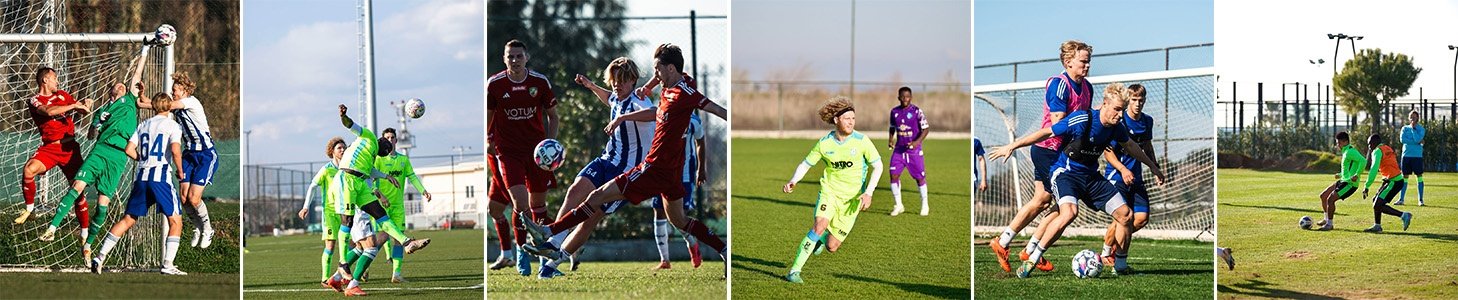
Regarding football fields in the city, the regional director shared that in Antalya there are nearly 200 grass training fields appropriate to criteria. The vast majority of these fields are located in Belek. Kadriye, Kundu, Side, and other areas of Antalya also contain important facilities, and there are additional football stadium options available.
This is where planning becomes practical: teams want to reduce travel time, simplify logistics, and keep training quality consistent. Providers that focus on field access, training organization, and camp coordination help clubs turn Antalya’s infrastructure into a structured performance period.
Where Sports City Antalya Naturally Fits Into the Camp Experience
In a destination with strong infrastructure, the difference is often made by how smoothly the camp is organized. Sports City Antalya operates in this environment by supporting clubs that come to Antalya for winter preparation, helping align practical needs such as training field planning, camp logistics, and match and tournament readiness with the overall structure of football tourism.
For teams focused on performance, a winter camp is not just accommodation and climate—it is a full training process that requires reliable coordination, consistent pitch quality, and access to the right sports environment. When these pieces come together, Antalya becomes not only a travel destination, but a functional base for preparation.
Conclusion: Antalya’s Role in Football Tourism and Winter Preparation
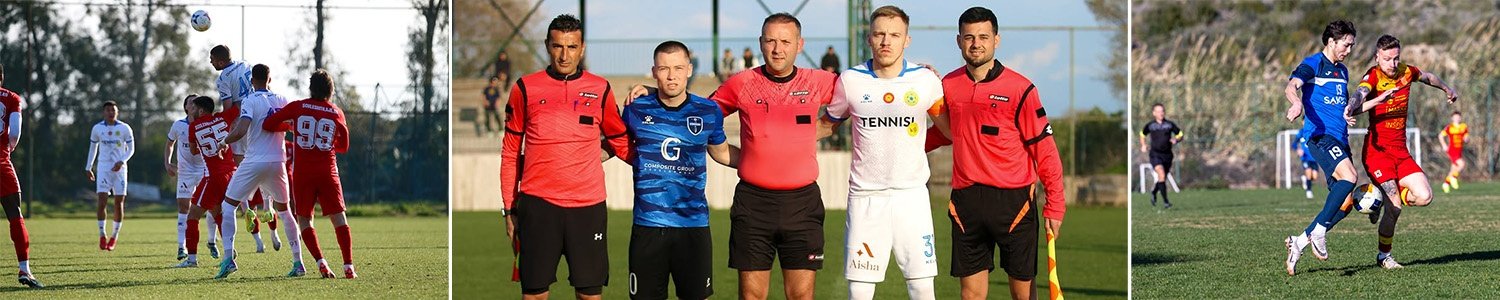
Turkey winter football camps in Antalya represent the intersection of tourism and sport in its most active form. Camps create economic value, sustain tourism in low season, support employment, and promote destinations internationally through teams, media, and spectators. At the same time, clubs benefit from Antalya’s mild winter climate, large number of grass fields, strong hotel infrastructure, and convenient transportation.
With Belek and Side remaining key favorites and the first quarter of 2026 expected to bring hundreds of teams, Antalya continues to strengthen its position as a leading location for football tourism and structured winter preparation—supported by professional organizers and sports-focused service providers such as Sports City Antalya.



